

Breaking the Stigma: Why Talking About Mental Health Matters
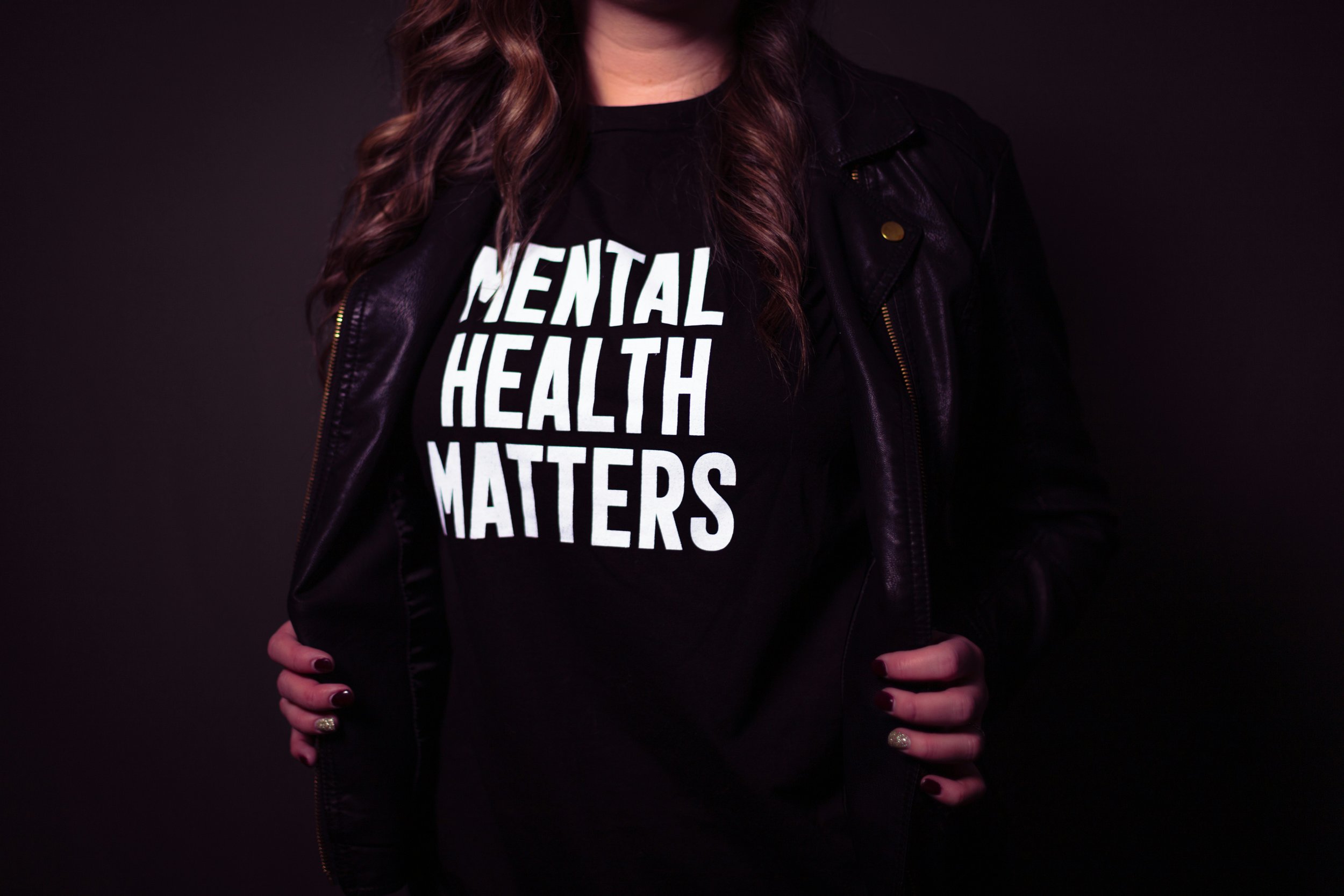
Mental health is an essential part of well-being, yet conversations about it are often avoided, minimized, or misunderstood. Although public awareness has grown in recent years, many people still hesitate to seek support or speak openly about their struggles. Stigma remains a significant barrier that prevents individuals from accessing care, expressing vulnerability, and feeling safe within their communities. Understanding where this stigma comes from and how to challenge it is an important step toward making mental health support more accessible to everyone.
Why Stigma Still Exists Around Therapy
Stigma surrounding mental health has deep cultural, social, and historical roots. Many societies grew up with the belief that emotional pain should be handled privately or that struggling mentally means a person is weak. These assumptions are not only untrue but also harmful. They discourage people from reaching out when they need help most.
Some people fear being judged if they seek therapy or speak about their internal experiences. Others worry their family or community will misunderstand their symptoms or minimize their pain. In workplaces, there can be pressure to appear consistently strong and productive, leading individuals to hide stress, anxiety, or burnout.
Media portrayals have also contributed to misunderstanding. Mental health challenges are often shown in extremes, focusing only on crisis or disorder rather than the everyday emotional challenges that most people experience. This creates a false impression that therapy is only for severe cases or people who cannot cope. In reality, therapy is useful for anyone who wants to better understand their emotions, improve coping strategies, or build healthier relationships.
In cities like New York, where life is fast-paced and expectations are high, many individuals feel pressured to push through stress without asking for support. However, seeking guidance from a licensed psychologist in New York is a sign of self-awareness and strength, not weakness. It reflects a person’s desire to grow, heal, and improve their overall quality of life.
Myths vs. Facts
There are several common myths that contribute to stigma. One widespread belief is that therapy is only for people with severe mental illness. The truth is that therapy can help individuals manage everyday stress, navigate relationship challenges, and better understand their emotional needs. Another common myth suggests that people should be able to handle their problems on their own. However, mental health is just like physical health. Just as we see a doctor for medical concerns, it is healthy and responsible to seek a therapist when emotional concerns arise.
Some people also believe that talking about emotions will make them feel worse. In reality, discussing feelings in a safe and supportive environment helps people process difficult experiences and reduce internal pressure. Therapy allows individuals to recognize patterns, develop coping tools, and build resilience.
It is also helpful to understand that therapy is not one-size-fits-all. An experienced psychologist in New York can tailor treatment to a person’s needs, values, and goals, whether through talk therapy, cognitive behavioral strategies, mindfulness practices, or trauma-informed care. Many providers today also offer services that are financially accessible, including sliding-scale fees. Someone seeking an affordable psychologist in New York or a psychologist accepting new patients in New York has more options than ever before.
The Importance of Open Conversations
Talking openly about mental health can reduce shame and encourage more people to seek care. When individuals share their experiences, others learn that they are not alone. These conversations help normalize emotional challenges as a part of being human.
Open dialogue also helps correct misinformation. By hearing real stories from friends, family, colleagues, or community members, people can see therapy as a valuable resource rather than a last resort. Just acknowledging that stress, anxiety, or sadness are common experiences can create a sense of connection and understanding.
Workplaces that promote open conversations around mental health create healthier environments. Schools that teach emotional well-being give young people tools to navigate challenges early in life. Families that discuss feelings openly raise children who are comfortable seeking help and expressing needs.
For someone searching for support, it can be helpful to speak with a psychologist in New York City who understands the unique pressures of urban life. Whether the goal is to handle stress, heal from trauma, strengthen relationships, or gain clarity during transitions, talking with a professional can offer guidance that is grounded, compassionate, and supportive.

How Communities Can Reduce Stigma
Communities have a powerful role in shifting how mental health is understood. When groups, workplaces, neighborhoods, or social networks treat mental health as a natural part of overall wellness, stigma begins to lose its power.
One of the most effective ways to reduce stigma is through education. Learning about mental health conditions, therapy approaches, and emotional well-being allows people to view mental health challenges with empathy rather than judgment. Schools, religious groups, and local organizations can host discussions, invite mental health speakers, or share resources that encourage understanding.
It is also important to encourage accessibility. Not everyone knows where to begin when searching for help. Offering clear information on local mental health services makes it easier for individuals to take the first step. For someone trying to find a psychologist near me New York, directories, online appointment systems, and community referrals can provide direction and reassurance.
Creating emotional safety is another essential piece. People are more comfortable discussing mental health when they feel listened to rather than dismissed. Small acts such as asking someone how they are, practicing patience, and responding with compassion can create supportive spaces where others feel seen and valued.
Organizations like sparkmywellness, also known as Spark Wellness, work to provide therapy in an environment that is welcoming and nonjudgmental. A psychologist in New York NY who practices with empathy and respect demonstrates that healing is possible and that reaching out for support is a courageous and meaningful choice.
Moving Forward With Understanding and Care
Breaking the stigma around mental health is not an overnight process. It happens through steady conversations, compassionate awareness, and collective effort. When people feel safe to speak openly about their emotional experiences, it becomes easier to seek help when needed, and no one has to struggle in silence.
If you or someone you know is considering therapy, reaching out to a licensed psychologist in New York is a strong and positive step. Whether you are looking for the best psychologist in New York, an experienced psychologist in New York, or a psychologist accepting new patients in New York, support is available. Healing begins when we allow ourselves to be heard, understood, and supported.